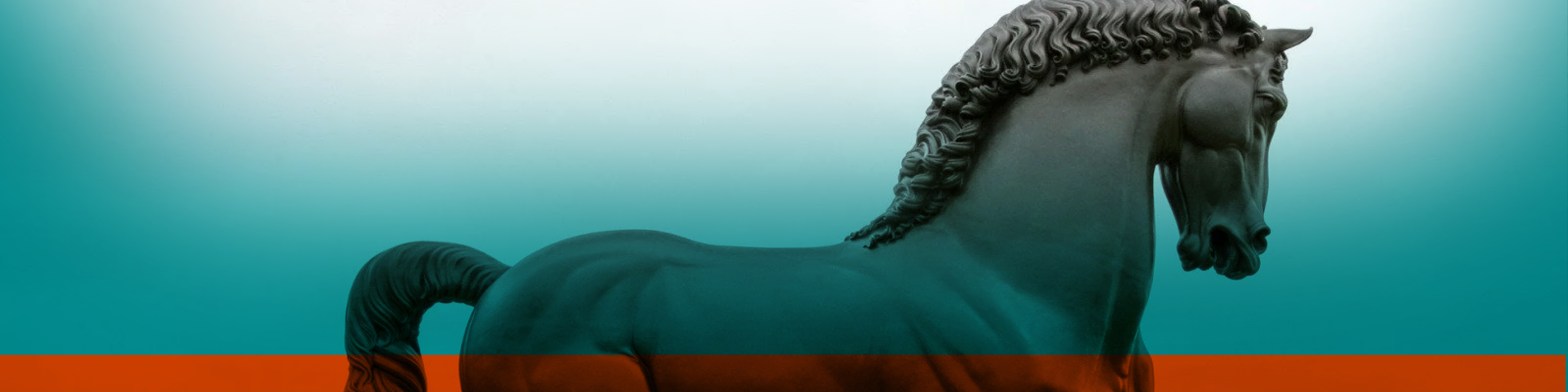
Make a giant statue, the duke says. And Leonardo thinks, No problem. After all, Leonardo da Vinci is an artistic genius. If anyone can create a giant bronze statue, he can do it.

It’s 1482, and Leonardo da Vinci is on the payroll of the powerful Sforza family. Ludovico Sforza is the Duke of Milan and he has hired Leonardo to complete whatever works of art he demands of him. Getting started on a new artistic endeavor is no problem for Leonardo. He always has creative ideas galore, but like many artists, completing a work of art can sometimes be a different story.

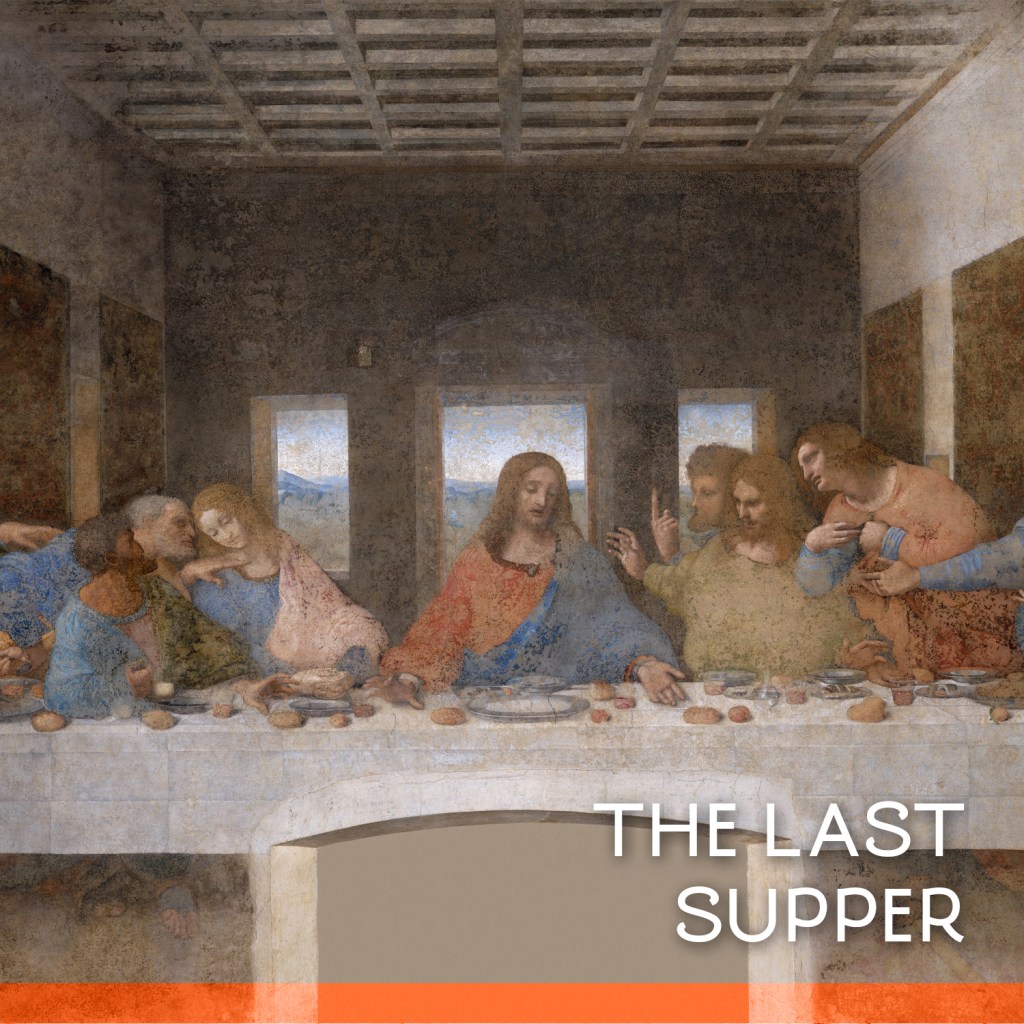
Like the time the Duke gave him the task of painting a mural on the wall of a monastery in Milan. The painting would be a depiction of Christ’s Last Supper. It has come to be one of Leonardo’s most recognizable works of art, but at the time it caused great consternation for a prior at the monastery who was understandably impatient with Leonardo’s pace. It took Leonardo about three years to finish the painting. He kept finding the need to leave the project to work on other things or find just the right model for one of the faces in the painting.
But three years is nothing compared to the timeline of another one of Leonardo’s projects—a giant statue that the Duke tells him to create in honor of his father Francesco Sforza.
The original plan is to put a giant Francesco on a giant horse. The statue will be MASSIVE, dwarfing other sculptures of its time.
But it doesn’t take Leonardo very long to realize that creating a horse and rider at that scale will be problematic, so he ditches Francesco and decides to just make a statue of a horse. Still, it will be a mammoth task and a highly ambitious project.
It is, perhaps, too ambitious for the technology of the time. Leonardo keeps running into roadblocks as he tries to figure out how to cast such a huge statue. Faced with this dilemma, Leonardo does what artists throughout the ages have done when they encounter a problem they can’t resolve—he procrastinates.
During the years when the horse statue is on the back burner, Leonardo paints The Last Supper, he paints portraits of Italian nobility, he creates architectural plans for Milan, and he helps the Duke plan and execute elaborately choreographed performances for his parties.
After almost 10 years of mulling over his plans for the horse, Leonardo finally comes to an important conclusion. His original plan was to portray the horse rearing up on its hind legs, but for such an enormous bronze statue, he finally determines that will be impossible. He settles for a plan that will result in a two-and-a-half-story tall horse in a walking position. Even after this important decision, it takes Leonardo another three years to finalize his plans and make an enormous 24-foot clay model of the statue.
Finally, he can begin work on the ground-breaking technology that will allow him to cast such an enormous statue. It will be complicated, but Leonardo has an intricate plan. As Leonardo sets to work, the Duke gathers eighty tons of bronze.
It looks like history is about to be made. Leonardo’s giant clay model stands in the Duke’s courtyard, giving everyone a taste of the grandeur of the finished work of art.
But history has a way of interfering with our plans.
Even as he is stockpiling bronze for Leonardo, the Duke is dealing with a dispute with the King of Naples. Tempers flare, tensions escalate, and before you know it, there’s war. Sforza forms an alliance with France so the French can help him conquer Naples and win the war.
It works. Milan wins. But Leonardo loses.
Because as the war rages, the bronze meant for Leonardo’s horse ends up being used to make cannons. And when French troops pass through Milan in September of 1499, they see Leonardo’s giant clay horse, still waiting for its bronze replacement. The French archers decide to use it for target practice.
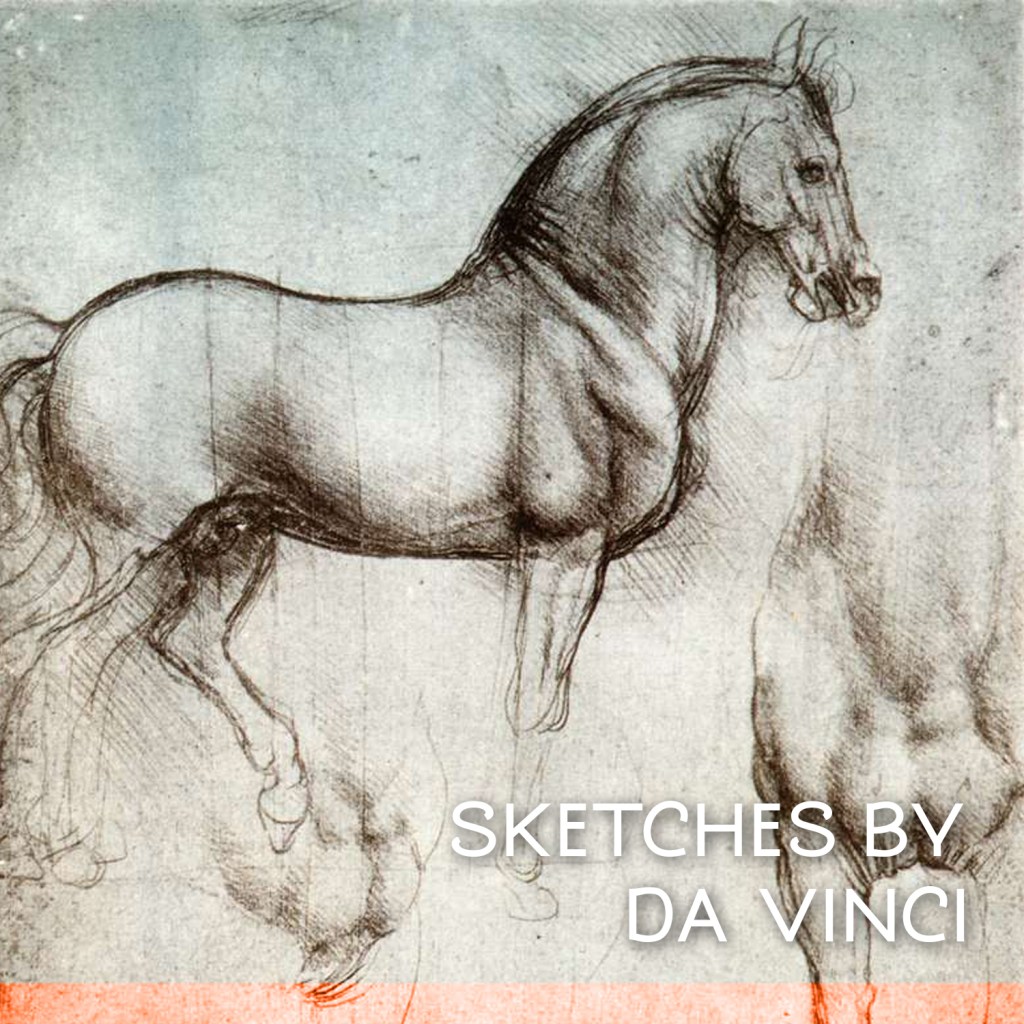
They leave the horse and Leonardo’s dreams in ruins. He still has his sketches and diagrams, but he will never have another opportunity to bring his horse to life. Some say he mourns that fact until his death in 1519.
But history isn’t done with Leonardo’s horse. Centuries after Leonardo’s death, his horse will be resurrected.
Times are good in the kingdom of Israel. King David is the most successful king Israel has ever had. Sure, he’s only the second king of Israel, but still. The people respect him. He is leading well. The Israelites are experiencing a time of peace.
And David decides it’s time for an ambitious project. He is going to build a temple.
Up to this point, the worship of the one true God has taken place in the Tabernacle—an elaborate tent prepared according to Divine specifications for just that purpose. But now Israel is in her promised land. Many of her enemies have been vanquished. Her nomadic days are over so David decides it’s time for a permanent place of worship.
So, he summons Nathan the prophet and tells him of his plan to build a temple for the worship of Jehovah. Nathan thinks it’s a great idea and he encourages David to pursue it. But God has other plans.
Through Nathan, God tells David that He doesn’t want a temple. At least, he doesn’t David to build Him a temple. He tells David that he will have a son. God says, “He shall build an house for my name…” (2 Samuel 7:13)
There will be no “temple of David” in Jerusalem. Instead, one day there will be a “temple of Solomon”. But is David discouraged by the news? Is he upset that his son will be the one to bring his brainchild into the world?
We get the answer in 1 Chronicles 28 and 29. David gathers all the Israelite rulers together. He knows his time as king is drawing to a close and he wants to make sure some things are very clear. He shares with them the story of his desire to build the temple and God’s answer. He then makes it crystal clear that Solomon is God’s pick for the next king of Israel. Then, he gives Solomon a solemn charge—telling him to serve God with all his heart for all his life.
Then, David does something amazing. He reveals that he has plans for the temple. David has meticulously recorded God’s instructions for how the temple ought to be built. He has also gathered a huge stockpile of gold and silver—enough to craft all the instruments of the temple according to God’s specifications. He gifts it all to Solomon. The plans are in place. The resources are there. Now, David will die, Solomon will take the throne, and construction will begin.
Did David mourn the fact that he would never see the temple? I don’t know. But the fact that the temple would be his son’s work and not his own did nothing to dispel his enthusiasm for doing all that he could to make the project a reality.
David wouldn’t get the glory for it, but he still wanted to make sure the temple project was a success. Even if he didn’t get the credit, he was content to contribute.
In 1977, a retired American pilot named Charles Dent is reading an article in National Geographic when he came across something that intrigues him. Dent is a fan of Leonardo da Vinci and this particular issue of National Geographic has an article about Leonardo’s abandoned horse statue project. Dent reads the article and decides the time has come. The horse has waited long enough. Dent begins to gather a team and solicit donations to make the sculpture a reality.
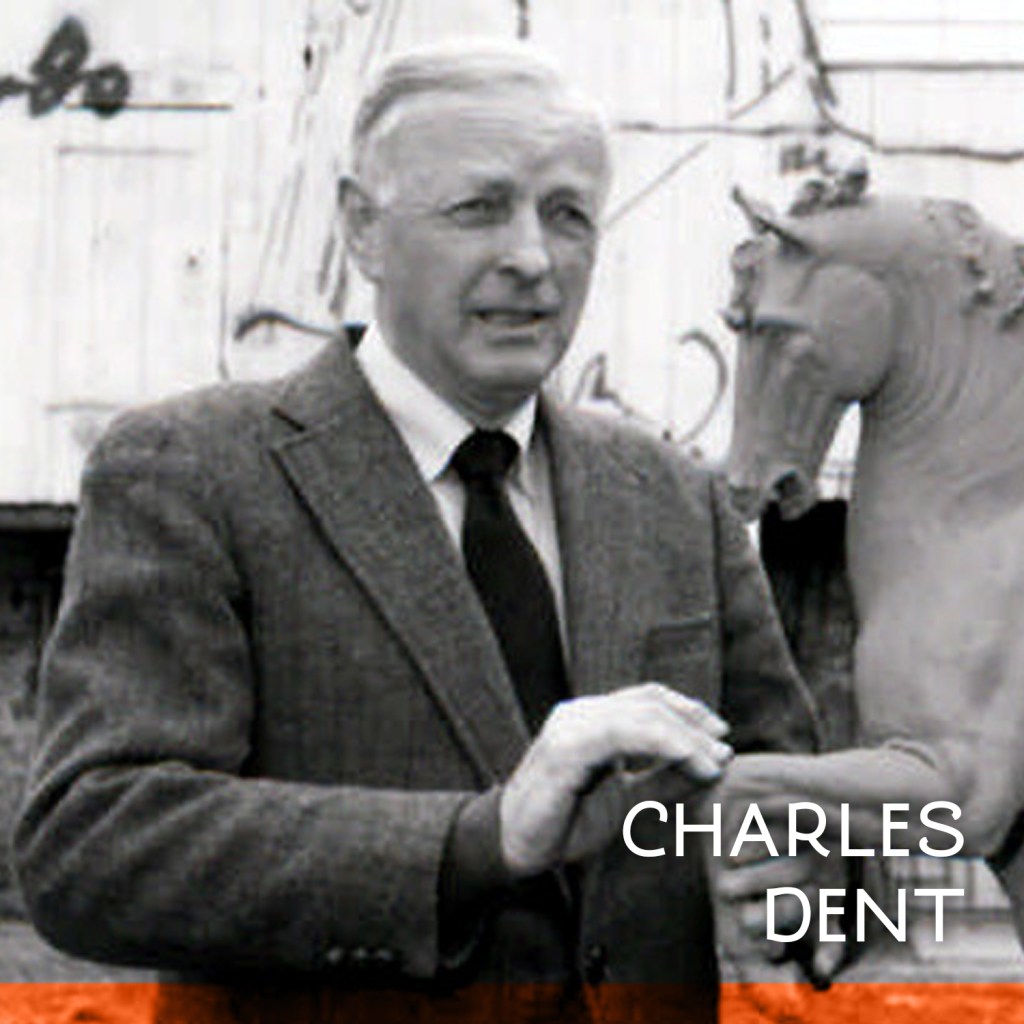
Twenty-two years later, the finished horse statue is finally unveiled in Milan. Dent has been dead for two years when the statue is finished. Da Vinci has been dead for 480 years.

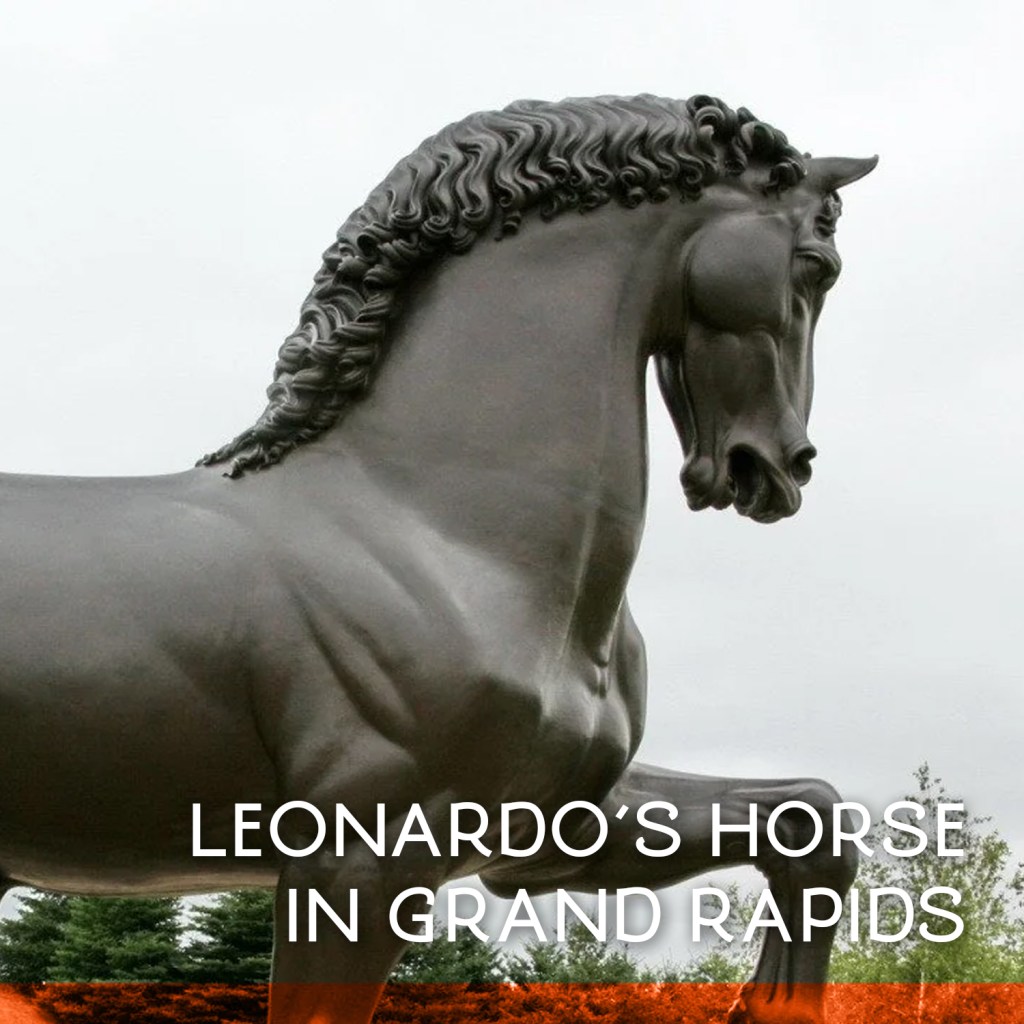
But his horse is finally finished. A duplicate horse is also cast and placed in a botanical garden in Grand Rapids, MI. Both horses stand as a testament—but a testament to whom? Are they a monument to the genius of Leonardo da Vinci, who dreamed them up? Are they a memorial to Charles Dent, the man who resurrected them from the trash heap of history? Are they a gold star on the résumé of Nina Akamu, the sculptor who masterminded their creation? Who gets the credit?
Maybe we don’t need to worry about it. Maybe, we just need to appreciate the finished product and recognize that who gets the credit is ultimately irrelevant.
In 1 Corinthians 3, Paul chides the Christians in Corinth for being obsessed with personalities. The believers have benefited from the ministry of Paul and the ministry of another Christian leader named Apollos. They are careful to tell each other who it was of those two men who had the most impact on them.
Paul tells them, in effect, It doesn’t matter. He says, “Who then is Paul, and who is Apollos, but ministers by whom ye believed, even as the Lord gave to every man? I have planted, Apollos watered; but God gave the increase. So then neither is he that planteth any thing, neither he that watereth; but God that giveth the increase.” (1 Corinthians 3:5-7)
It’s not about who did what. It’s enough to just be able to be a part of the work God is doing.
It’s easy to get caught up in the idea that life is all about being recognized and receiving accolades for our contributions. We hate the idea that we might put work into something and never get credit.
But rarely can any great accomplishment be credited to one person. God often uses many people, seemingly unconnected to each other, each doing their part, to accomplish His Divine plan.
Not everything you do needs to be for yourself. You might come up with an idea that doesn’t come to life for 500 years. You might plan something great and prepare everything to make it happen and your children are the ones who get to see it completed. That’s ok.
Because it doesn’t matter who gets the credit. Life isn’t about building a legacy for yourself. It’s about doing your part to further the work of God.
If the monuments you are building are in your honor, you’re wasting your time.
Learn More about Leonardo’s Horse
Atlas Obscura article
Da Vinci Center article
Wikipedia article
 Exempla