
In Room 5131 of the Health, Education, and Welfare Building in Washington D.C. sit two groups. On one side, a group of slick corporate lawyers. On the other side, the overworked staff of the United States Food and Drug Administration (the FDA). At their side, a woman named Ruth Desmond, a woman who will come to be known as the “peanut butter grandma”.
It all starts when it comes out that Jif is putting large amounts of hydrogenated oil in their peanut butter. Members of the public are unimpressed and the FDA issues a call for peanut butter manufacturers to stop putting so many other ingredients in their peanut butter. The FDA wants more of what’s in the jar to actually be peanuts. So in July of 1959, they propose a solution. From now on, companies should make sure that peanuts compose 95% of what goes in the jar.
But the food giants aren’t having it. They refuse.
After two years of arguments, the FDA decides to compromise. How about 90% instead?
Still, the peanut butter companies refuse. They suggest 87%.
But the FDA won’t budge.
So, in November of 1965, the peanut butter people and the FDA people find themselves facing off in Washington D.C. as they begin public hearings, hearings that will forever afterward be known as the “Peanut Butter Hearings”.
The lawyers, who represent the companies who make brand names like Jif, Skippy, and Peter Pan, are well-funded and fully prepared to tear the FDA officials to pieces in front of the reporters who’ve gathered to see what happens.
But the lawyers don’t reckon on Ruth Desmond.
Ruth is about 60 years old, a well-mannered, unassuming woman from Arlington, VA. She doesn’t look like a heavy hitter, but she has a way of making herself heard.
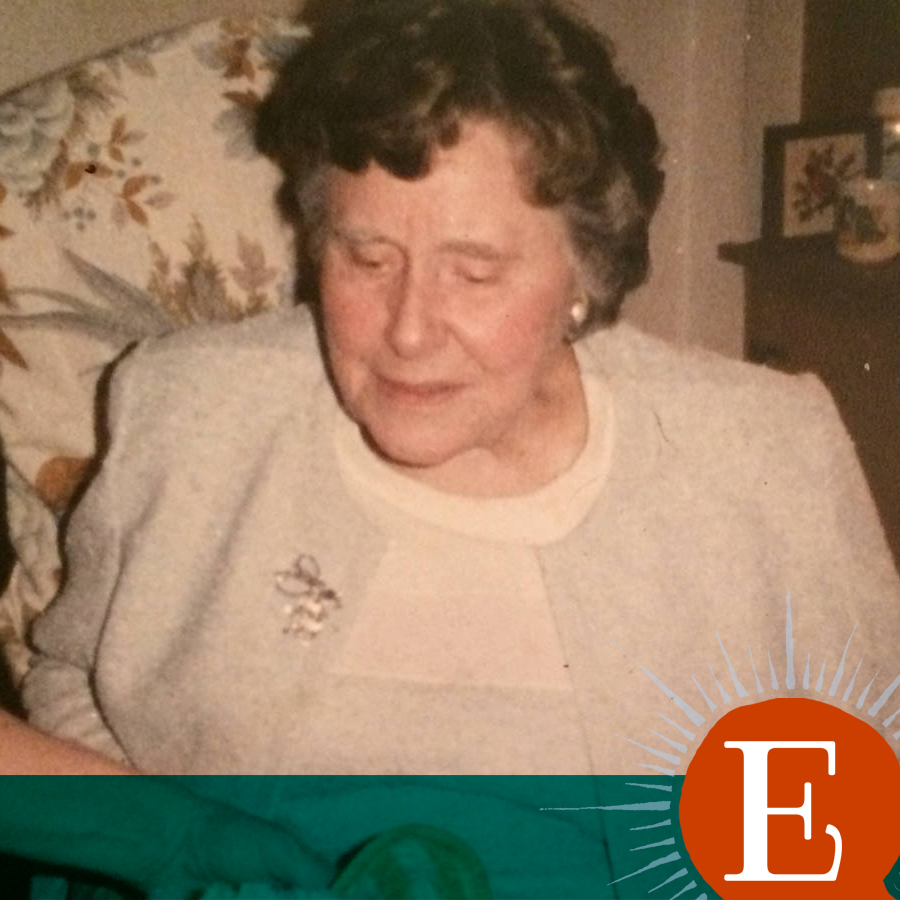
Once, at a conference, she told the executive of a major food company, “It amazes me how you gentlemen in the food industry are always so concerned about having quality food yourself. But you want the rest of us to eat sawdust.”
Ruth first got involved in the world of food regulation in 1959 when she learned that her husband’s cancer may have been caused by a weed killer used on cranberries. Ruth was horrified that potentially contaminated cranberries had gone to market, and she called the FDA to see what they were doing about the problem. The FDA employee on the other end encouraged her to come to the food additive hearings. So she did, but Ruth was appalled when the hearings didn’t make it into the news. She thought that the people of America needed to know what was going on with their food, so she organized the Federation of Homemakers, a group of women who made it their mission to fight for wholesome foods.
Ruth was fearless and she didn’t stop. She once sued the Department of Agriculture for allowing hot dogs to be labeled “all beef” and “all meat” even when they contained other ingredients… and she won. She went after potentially harmful ingredients in baby food and toothpaste and succeeded in bringing about stricter regulations.
Well now, it’s peanut butter’s turn. At the hearings, Ruth’s comments help tip the scales in the FDA’s favor.
When James Mack, the managing director of the Peanut Butter Manufacturers’ Association, complains that regulations will lead to peanut butter that, “would stick to the roof of your mouth, it would tear holes in your bread when you tried to spread it.”
Ruth Desmond won’t be cowed. “We want to keep this product traditionally simple. It’s time to reverse this trend and take the chemicals out of food.”
One official from Skippy argues that Ruth and the FDA are trying to suppress modernization: “I feel we must not and cannot freeze America or industry at its present levels of expertise in food manufacture, because we have too much to gain on the plus side.”
“May we not also gain very bad health, which would be on the minus side, from too much experimentation with improperly tested additives with respect to the lifetime effects?”
It seems that no one can touch Ruth Desmond. Day after day, she shows up at the hearings in her flowered hat and white gloves to take on the peanut butter people. She tells her husband, “I cannot leave them alone, those lawyers.”
The hearings continue until March of the following year. Even after the hearings are over, the conflict continues. The companies take the FDA to court and the case makes it all the way to the Supreme Court of the United States, but the court declines to hear the case and finally, in March of 1971, almost twelve years after the battle over peanut butter began, the rule goes into effect.
You can thank Ruth Desmond and the FDA that you can be sure what you’re getting when you grab a jar of peanut butter at the grocery store. It might contain high fructose corn syrup, hydrogenated vegetable oil, and even some mono and diglycerides, but you can be sure that it’s at least 90% peanuts.
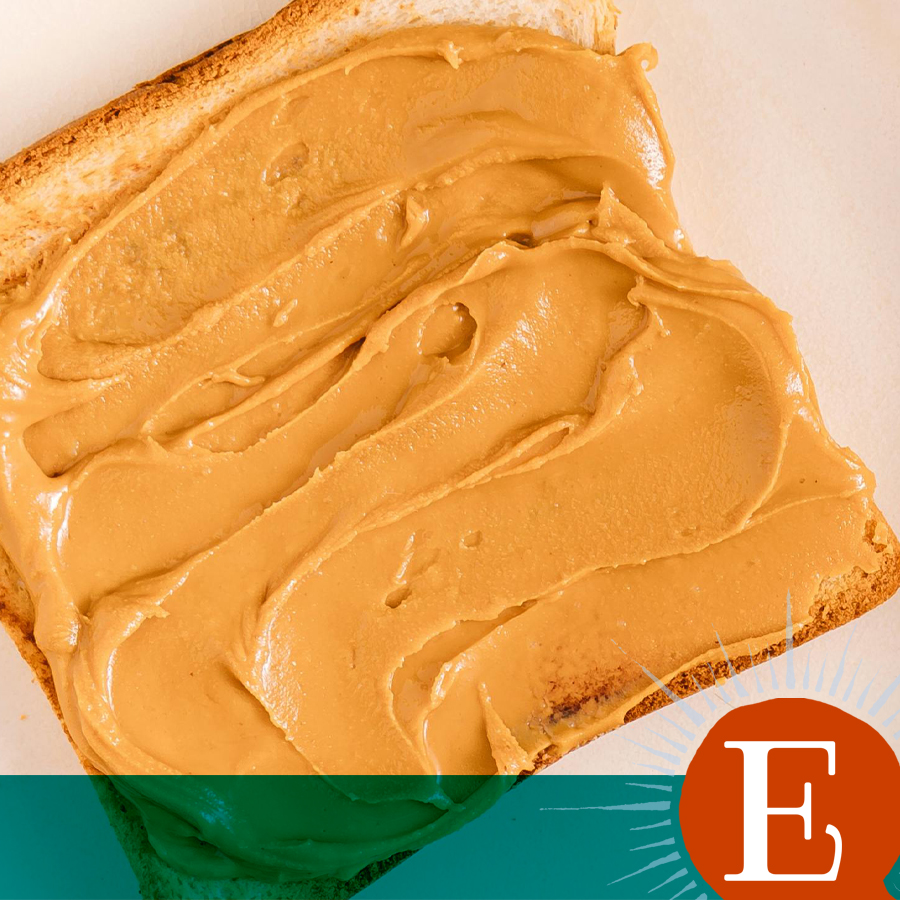
Presumably, we can also thank the FDA for the warning on the back of the jar that reads: “Contains: Peanuts”.
The apostle Paul was well-educated, well-respected, and on his way to a place of authority among the Jewish leaders, then he threw it all away. He became a Christian and spent much of his adult life traveling, teaching, and preaching Christ.
Paul lived a poor, nomadic, troubled life in order to preach the gospel in Asia, Greece, and Rome. He sacrificed greatly for his Savior. He recognized that many around him saw the time and effort he expended and the suffering he endured as an enormous waste. But what did Paul think?
Is it worth the sacrifice, Paul?
“For the preaching of the cross is to them that perish foolishness; but unto us which are saved it is the power of God.” (1 Corinthians 1:18)
When Jesus appeared before Pilate, Pilate seemed almost desperate for a way to let Jesus go free.
When Jesus gave no answer to the Jewish leaders as they hurled accusations at Him, Pilate cried out in desperation, “Hearest thou not how many things they witness against thee?” (Matthew 27:13)
Why wouldn’t this man defend himself? Why wouldn’t He fight? The death of an innocent man seemed like such a waste.
Is it worth the sacrifice, Jesus?
When we are faced with the possibility of opposition or the threat of violent reprisal, we are forced to ask ourselves if it’s worth the sacrifice. If we were called upon to give our lives for our faith, we would have to wrestle with that question.
But what about the things we spend our money and our time pursuing every day? What are our passion projects that eat up our lives a little at a time? Shouldn’t we ask the same question: “Is it worth the sacrifice?”
Ruth Desmond left the house day after day to do battle in the name of wholesome food. Perhaps her husband asked her, “Is it worth the sacrifice?”
I have no doubt that if he asked her, she found a witty way of saying, “Absolutely!” The purity of peanut butter was worth it to her, worth four and a half months of regulatory jargon and verbal jousting with skilled lawyers. For Ruth, it was worth the sacrifice.
What is worth the sacrifice to you?
We all say we believe in things. We all claim to be passionate about something. But the real test of how important something is to us and how deeply we believe in it is how much we are sacrificing for it. Sacrifice takes different forms. It might mean facing pain and loss because of our stand, but more often it just means putting in the time day after day after day.
Some hills are worth dying on and others aren’t. I don’t care enough about peanut butter to do what Ruth Desmond did, but there are a lot of things in life that are much more important than peanut butter.
Learn more about the Peanut Butter Hearings and Ruth Desmond:
By reading this book: Creamy and Crunchy: An Informal History of Peanut Butter, the All-American Food by Jon Krampner
Or one of these articles: Arlington Magazine, Mental Floss, & The Washington Post
 Exempla