
Excitement in Jerusalem is at a historic high. Things haven’t been this exciting since the reign of Solomon. People from all over the nation of Judah are gathered, full of anticipation, ready for the festivities to begin. Then, into the city, here they come—unexpected guests. Unexpected, at least, to the majority of the Jews.
There’s a delegation from Zebulun, over a day’s journey away. They’ve braved the dangerous roads of the failing kingdom of Israel to be here. They want to join in. There’s a group from Manasseh and another from Asher. Many have traveled far, and compared to the Judean worshipers who have carefully cleansed themselves in preparation for the feast, these travelers are unkempt and unqualified to approach the temple or join in the feast. Yet here they are.
It’s an awkward moment, but the decision of whether or not these guests will be invited to join in falls on one man: the young and newly installed King Hezekiah. It’s his call.
Hezekiah was crowned king of Judah less than a year before. Immediately after he was crowned, he set vast sweeping changes in motion. Hezekiah’s father Ahaz led the nation in turning their back on God but Hezekiah has reversed course, leading the nation in a whole-hearted return to the worship of Jehovah.
At Hezekiah’s direction, the temple is cleansed and the king himself leads in the first sacrifices that are offered there. The sacrifices are accompanied by music: cymbals, harps, trumpets, and voices raised together in joyful worship to God.

The people of Judah are so thrilled by this opportunity to show their devotion to God that they bring hundreds of animals to sacrifice, far more than the priests can handle.
It’s an exhilarating time. The mood in Jerusalem is one of overflowing joy as the people rededicate themselves to the God of their fathers. Encouraged by the overwhelmingly positive response, King Hezekiah issues a decree. His nation will celebrate the Passover.
It’s been years since Jerusalem has seen a proper Passover feast and Hezekiah is determined to pull out all the stops. They will follow the law to the letter, ensuring that every part of the feast is done according to God’s instructions. Hezekiah sends messengers throughout the kingdom, letting all the inhabitants of Judah know, calling them to travel to Jerusalem and join in. But he doesn’t stop there. He also sends messengers to the kingdom to the north: Israel. The nation of Israel is on the verge of collapse as powerful Assyrian invaders threaten to destroy them. Israel has not known a righteous king in generations, but Hezekiah is convinced that even in that crumbling nation there must still be those who want to worship God according to His Word.
The inhabitants of Judah respond enthusiastically to the king’s decree and crowds are soon gathering in Jerusalem, offering more sacrifices, preparing their hearts, and purifying themselves in preparation for the feast. But the messengers who make the trek to the far reaches of the kingdom of Israel have a very different reception. When they share Hezekiah’s call to worship, pleading with the people to… “turn again unto the LORD God of Abraham, Isaac, and Israel”, the people of the northern nation respond with scorn. They laugh at Hezekiah’s messengers and mock his solemn decree. The messengers return to Jerusalem. It appears their endeavor has failed.
But their pleas did not all fall on deaf ears.
The time approaches for the feast and travelers begin to arrive from the tribes of Israel. Among those northern tribes, some humbled themselves and took Hezekiah’s admonition seriously. Many of them have not engaged in any kind of proper worship of God in their entire life. They don’t know the first thing about properly approaching the God of creation, yet here they are.
These humble, enthusiastic worshipers are ready to participate in the Passover feast, but they are ceremonially unclean, not fit to lawfully approach God.
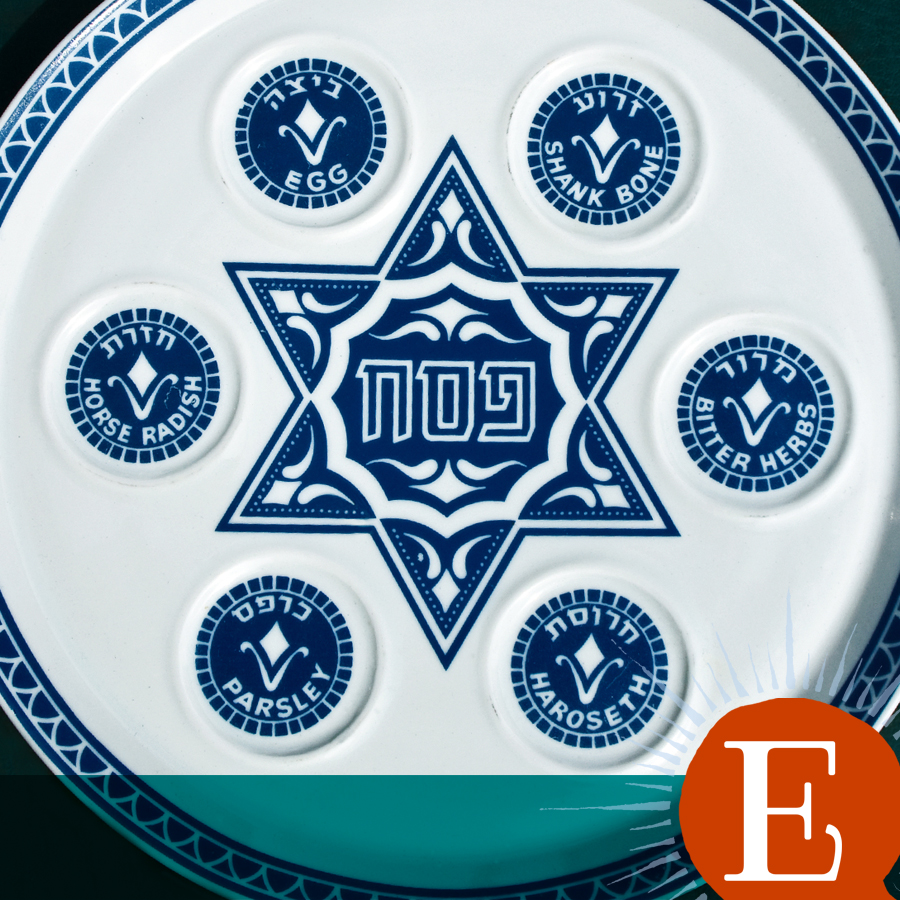
Hezekiah is faced with a decision. He has given careful attention to everything, making sure the temple was properly cleansed, making sure the sacrifices were properly offered, and making sure the people were properly instructed in the law. But these newcomers are unfamiliar with all of that. They are ready to join in passionately, but they are not prepared to do things properly.
Hezekiah can choose to allow them to join in even though they are ceremonially unprepared or he can politely ask them to come back next year.
Hezekiah lets them stay. Thus, inhabitants of Israel and Judah mingle as they share the Passover meal. Together, they reflect on God’s great deliverance from Egypt, and they offer thanksgiving to God for His continued blessings.
As the festivities begin, Hezekiah slips away to pray. He asks God to forgive them.
“The good LORD pardon every one That prepareth his heart to seek God, the LORD God of his fathers, though he be not cleansed according to the purification of the sanctuary.” 2 Ch. 30:18-19
The Lord hears Hezekiah’s prayer and He is pleased to forgive the indiscretion of the guests from Israel.
The feasting and worship continue for a week, then another. It’s a time of purification and dedication, a time of great joy—joy that outshines decades of Israel’s history that came before.
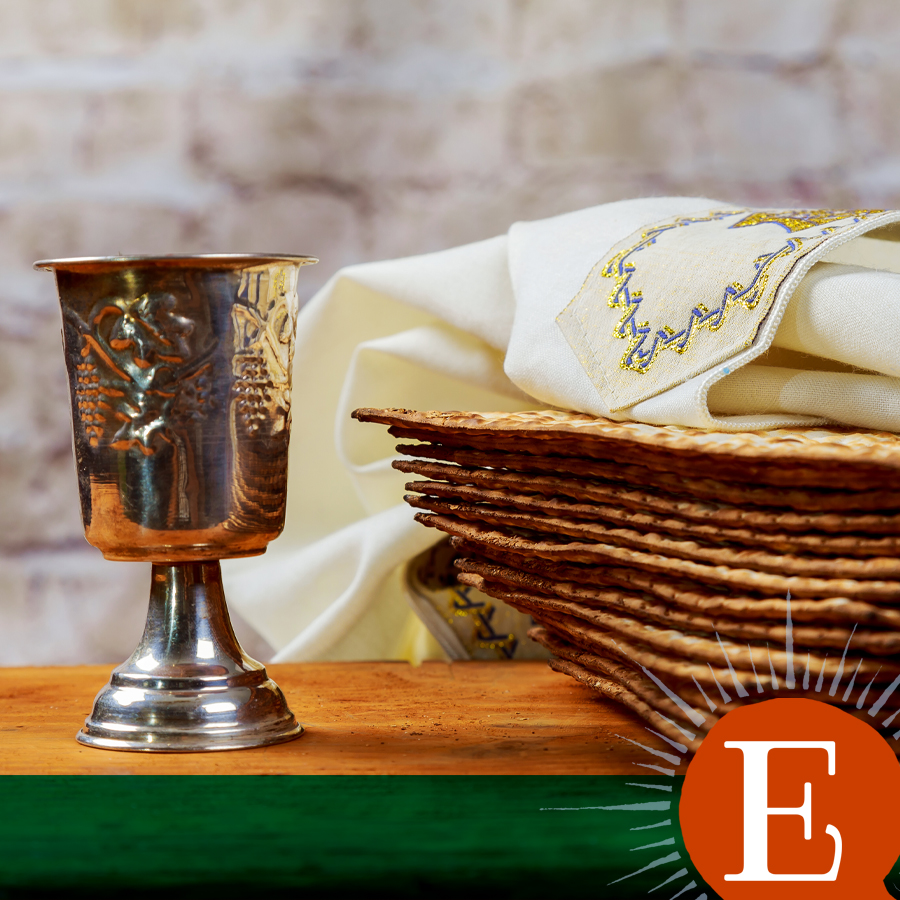
And among those singing, and weeping, and praying, and praising there is a contingent of worshipers from the northern tribes who were not properly sanctified, but whose hearts are pure in their whole-hearted worship of God.
Cleanliness, the old saying goes, is next to godliness. If my kids try to help me cook a meal or mix up a batch of brownies, I make doubly, maybe triply sure that they wash their hands first. I’m pretty picky about what gets in my food.
And God, by His own testimony, is picky about what He allows in His presence. In Psalm 24, David asks,
“Who shall ascend into the hill of the LORD? or who shall stand in his holy place? He that hath clean hands, and a pure heart; who hath not lifted up his soul unto vanity, nor sworn deceitfully.” (Psalm 24:3-4)
It matters to God how we worship Him. Chapter after chapter in Exodus and Leviticus lays out the specifics of how God wanted His people to worship Him. There are rules for ritual sacrifice, rules for purification, and even rules for when and how a priest could enter the Tabernacle. God’s guidelines are strict and specific.
But that’s not all God cares about.
In Micah 6, the prophet asks, “Wherewith shall I come before the LORD, and bow myself before the high God? shall I come before him with burnt offerings, with calves of a year old? Will the LORD be pleased with thousands of rams, or with ten thousands of rivers of oil? shall I give my firstborn for my transgression, the fruit of my body for the sin of my soul? He hath shewed thee, O man, what is good; and what doth the LORD require of thee, but to do justly, and to love mercy, and to walk humbly with thy God?” (Micah 6:6-8)
God isn’t so interested in the trappings of worship as He is in the state of the worshipper’s heart.
In His day, Jesus used Isaiah’s words to describe the devout Jews that surrounded Him. “This people draweth nigh unto me with their mouth, and honoureth me with their lips; but their heart is far from me.” (Matthew 15:8)
Many of us are careful about how we worship God. We are thoughtful about the style of music we use when worshiping the Lord, we are careful about the Bible version we use in our church services, we are attentive to the way we address the Lord in prayer, and the demeanor we exhibit when we share the Lord’s Supper.
It matters to God how we worship Him, but sometimes we forget about what matters most to God.
Picture two churches.
One is filled with people singing the right sort of music, dressed in the right sort of clothes, and carrying themselves with the right level of dignity. But even though their actions are right, their hearts are not in it.
Now picture another church where they are making poor music choices, using a less-than-ideal Bible version, and the atmosphere is altogether too light-hearted—almost foolish. But the people worshipping here are doing it all out of genuine love and thanksgiving to God.
Which of the two is more pleasing to God?
God cares about how we worship Him. He wants us to come to Him with clean hands and a pure heart. He wants inside and outside to both be right. But if He has to choose, God will choose a clean heart over clean hands every day of the week.
If our hearts are prepared to seek the Lord, He’s willing to pardon some indiscretions, but if our hearts are hard, He wants nothing to do with our worship.
 Exempla